The brand / round three / 6 Aug 2026
Round three
Is faith the category, or the source?
Everything else waits on that one answer. It sets the customer, the price, the marketing, and whether a cross belongs on the front at all.

The hoodie tool has not moved anywhere. Same controls, same notes, same saved versions.
Open the hoodieTwo brands hide inside the same idea.
They sound identical when you say them out loud. They are completely different companies once money is involved.
You sell Christian apparel.
The faith is the product. People buy because it says something they want said. The mark goes on the chest, big enough to read across a room.
- Cheap to market. The audience finds itself.
- Sells fastest at small scale.
- Roughly a thousand brands already there.
- Ceiling is low. You compete on verse and price.
You sell very good clothes.
The faith decides how you build, what you refuse, and how you talk. The customer buys because the hoodie is the best one they own, then finds the rest later.
- Hard to market. Nothing announces you.
- Slow first year.
- Almost nobody is doing it well.
- Ceiling is a real clothing company.
You already answered it, in round two.
Every garment decision the two of you locked last night points the same way. None of these are choices a witness-wear brand makes.
Nobody walking toward you can tell what you are wearing or what you believe. A brand whose product is the message never does this.
It is visible to the room you already walked past, not to the person you are talking to. It reads as a mark, not a statement.
The two most sellable pieces of text you own are now only readable by the person who owns the hoodie.
Costs three to five times more and cannot do fine detail. You pay that for how it feels in the hand. That is a garment decision, not a message decision.
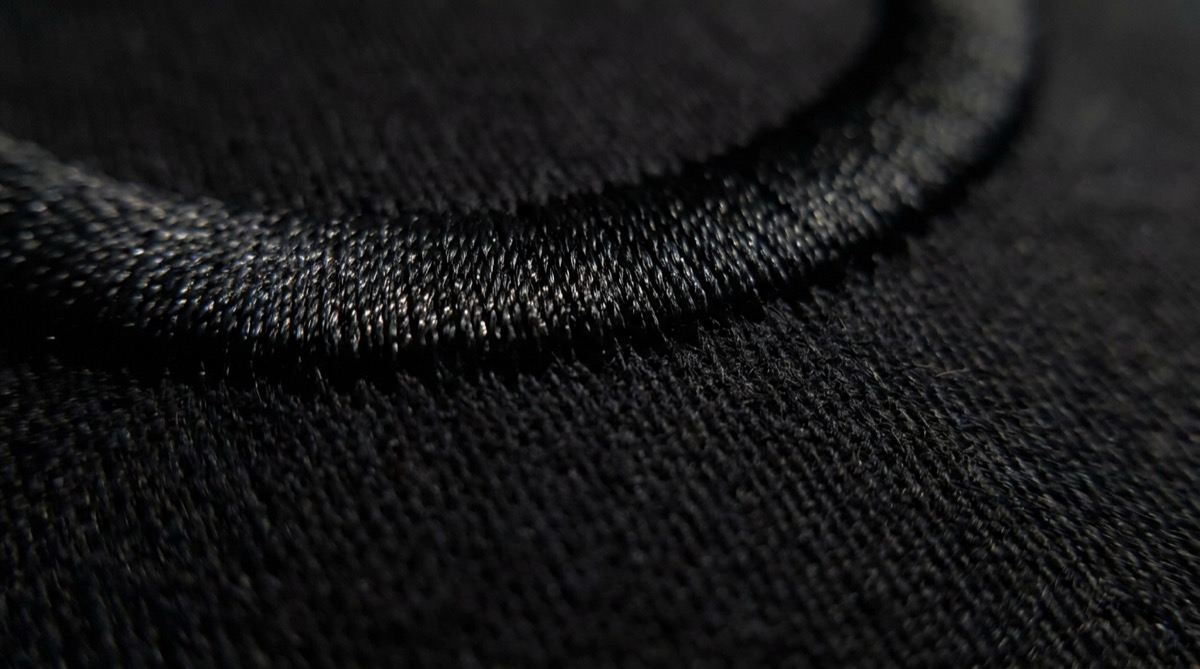
Black stitch on black cloth. You considered making the cross almost invisible. No Christian apparel brand has ever considered that.
For we live by faith, not by sight.2 Corinthians 5:7, on Brooklyn's card since the beginning
The verse Brooklyn picked before any of this started is the design rule you arrived at independently. Not by sight. Nothing sacred on the garment is placed where it does the selling. It sits inside the collar, on the back, or in a thread the same colour as the cloth. That is a law you can hand to a factory, a designer, or a photographer five years from now and they will know what to do.
The person this is actually for.
Christian apparel is built for people confident enough to be a billboard. That is not who you described.
Someone eighteen months in. It is the biggest thing in their life and they still fumble talking about it. They are not ready to have the conversation a chest verse starts in a checkout line. They would wear a good hoodie with something on the back every single day.
Almost nothing is made for that season. The market jumps straight from nothing to loud. That gap is the most defensible thing in this document, and it is the reason the blank front is a feature rather than a missed opportunity.
Three mission statements. Pick the one you can say sober.
A mission is only real if it kills work. Under each one is what it commits you to and what it takes off the table.
Clothing for people whose faith is new, serious, and nobody else's business yet.
Blank fronts, marks on the back, tonal thread, an inside label that does the talking. Copy about the awkward early season nobody writes about.
Every verse tee. Every slogan. Any product whose job is to start a conversation for the wearer.
We put the faith where you feel it and not where it sells.
The same design law, stated as method rather than audience. Works at any age of customer, not just the new ones.
Nothing about who it is for, which means the marketing has no one to talk to on day one. Broader, and harder to launch.
One garment a year, made properly, for people who would rather own three things they love than thirty they tolerate.
Heavy fabric, real construction, a price near two hundred dollars, and the patience to release almost nothing.
The faith, as a stated reason to exist. It becomes private to the founders. Safest business, smallest soul.
In five years, someone sees the back of a stranger's hoodie in an airport and knows exactly what it is without reading a single word. That is the whole ambition, and it is measurable. Either the mark carries alone or it does not.
Five rules that decide things.
Values are worthless unless they settle an argument. Each of these has already settled one.
The mark never leads.
Front stays quiet. The back carries it. If a design only works with something on the chest, the design is wrong, not the rule.
Scripture is never a slogan.
It goes inside the collar, on the care label, in the box. A verse across a chest hands the wearer an argument they did not agree to have.
Fewer, heavier, longer.
One garment a year, built to outlast the season it was bought in. No drop calendar. No chasing a seasonal colour because the calendar says so.
The garment is the argument.
If it is not the best hoodie they own, nothing else here matters. Quality is the only part of this that cannot be faked or copied by a competitor in a week.
Two owners, one veto each.
Nothing ships that either of you dislikes. Slower, and it is the only rule on this page that protects the partnership instead of the product.
Never in the room
No guilt in the copy. No fake scarcity. No cross built out of a flag, a barbell, a rifle or a heart. No paying a pastor to hold the product.
How it talks.
The fastest way to lose the person in their first year is to use words that assume they already belong.
The right side is not wrong, it is just fluent. It is written for people already inside, and it quietly tells a newcomer they are late. Plain sentences about how the thing was made do more work here than any amount of warmth.
Other directions
Seven versions of this business, including the ones without a cross.
You asked what else this could be. Here is every honest option, with what each one costs you.

Quiet faith apparel
Everything above. Faith as the source, a real clothing company on top of it, and the mark doing the recognition instead of the copy. It is the version you have already half built without naming it.
Verdict Lead with this. Highest ceiling, slowest start, and the only one your round two spec already fits.
Training and faith
Discipline is the word both halves share. You already noticed the flared cross reads as a dumbbell, which is a real mechanic: one mark, two readings, depending on who is looking. David lives in this world daily, which means content costs nothing to make.
Verdict Strong second. Thin at the premium end. Gym apparel is brutal on fit and price.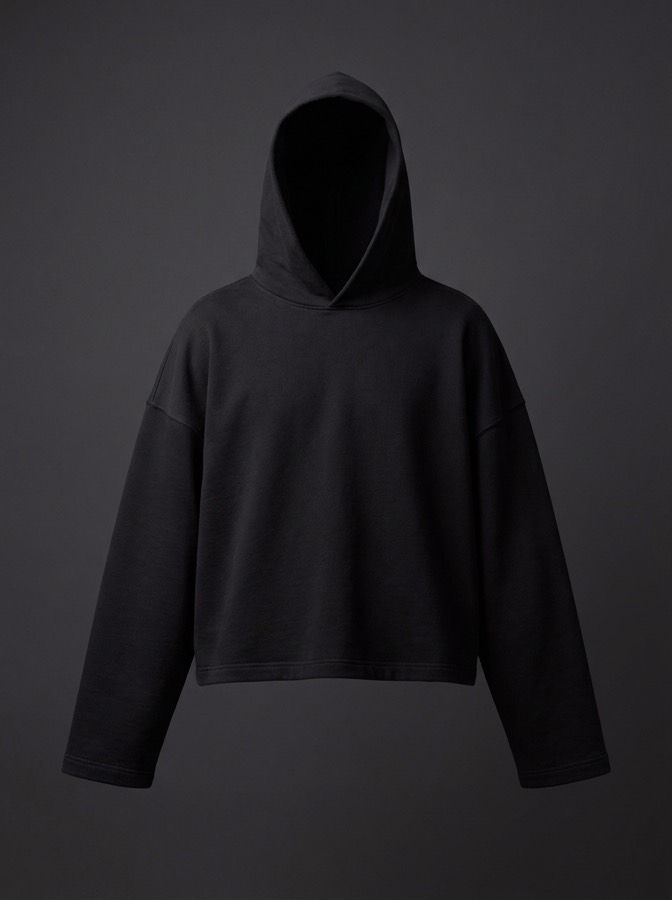
Christian apparel, played straight
Chest marks, readable verses, witness wear. Worth saying plainly: this is the version that makes money soonest at twenty four units, because the buyer already knows they want it.
Verdict Fastest cash. It contradicts the garment you spent round two designing.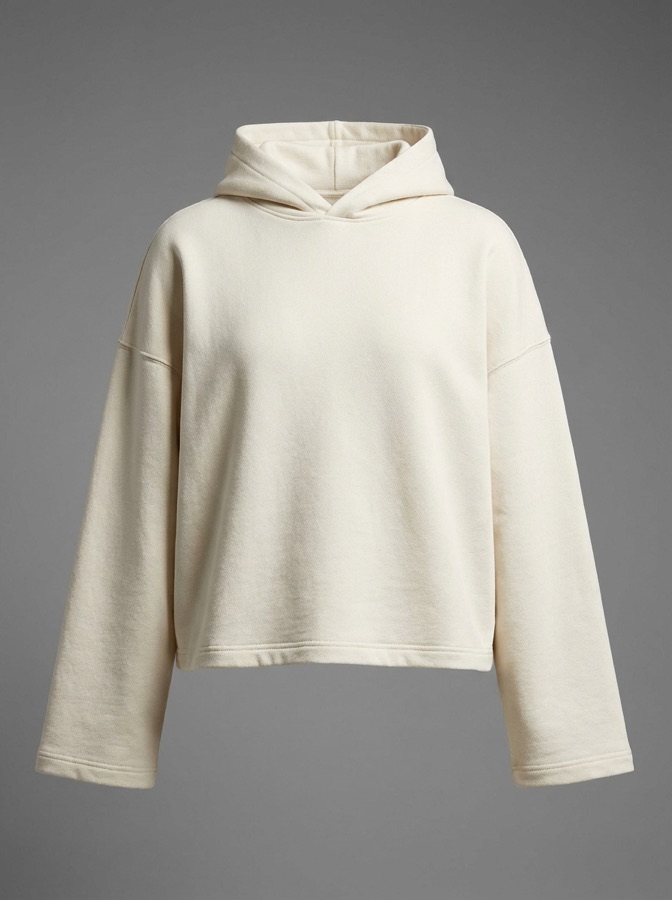
Prints and paper first
Brooklyn's lettering is the real asset here, and a needle is the worst tool for it. Print costs a few hundred dollars to test instead of several thousand, and it answers the only question that matters: does anyone want what she makes.
Verdict Do this first. Not a replacement. A cheaper way to earn the hoodie.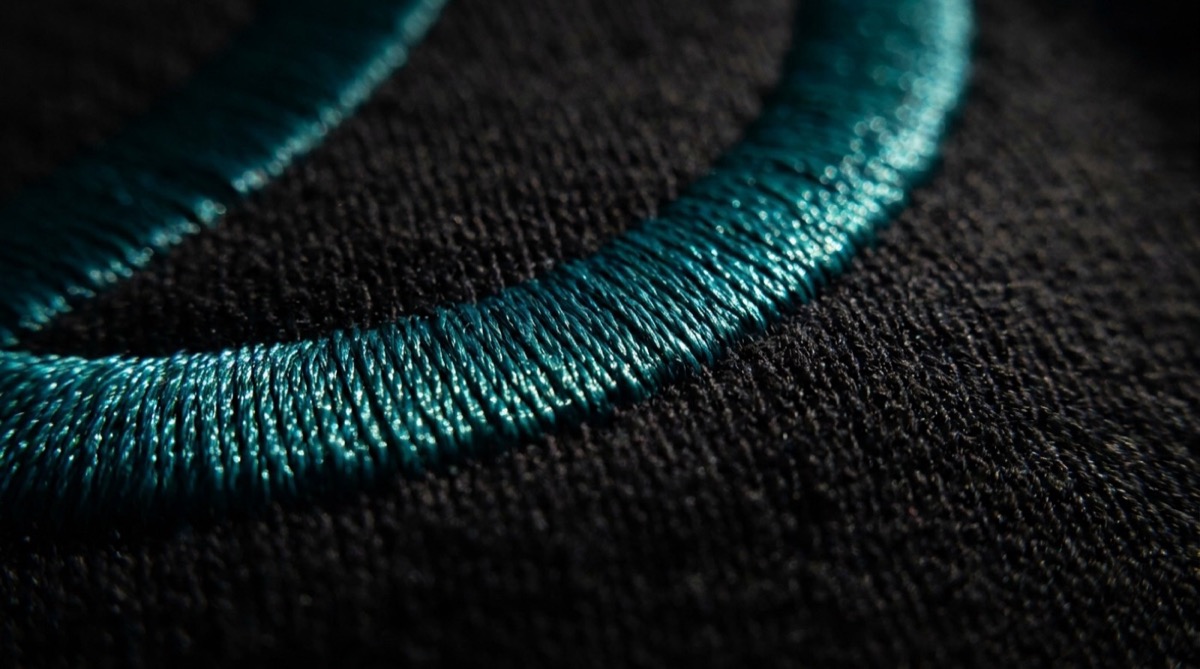
Milestones and gifts
Baptism, confirmation, godparents, weddings. Almost nobody makes anything good for these and people spend real money on them without flinching, because it is a gift and the price is not the point.
Verdict A line, not a brand. Demand is lumpy and seasonal.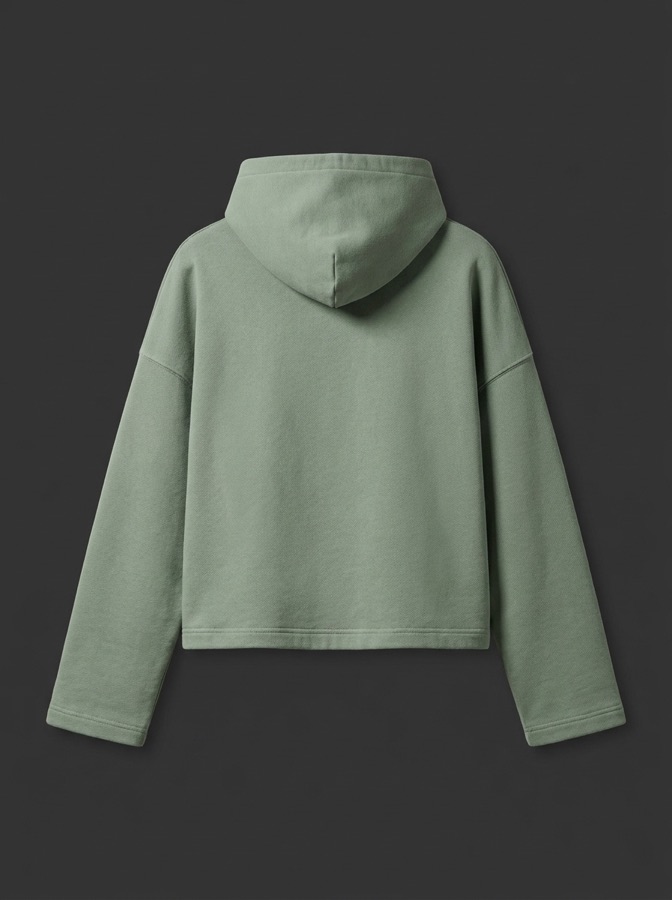
Home and objects
Candles, ceramics, linen, framed lettering. The feather and the hand lettering suit paper and glaze better than they suit thread. Genuinely open if apparel stalls.
Verdict Later, or never. New suppliers, breakage, heavier shipping.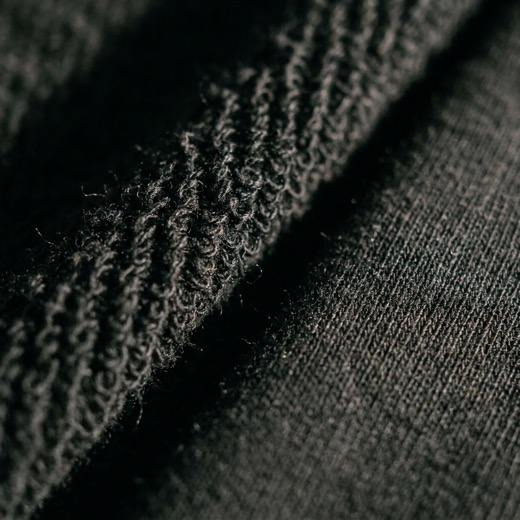
Heavyweight basics, no faith at all
Same garment spec, drop the cross entirely, compete on weight and fit alone. Listed so you can see it lose: no story, no reason to pick you, and you would be arguing about grams with companies who make a hundred thousand units.
Verdict No. This is the one option with nothing underneath it.The name, honestly.
Brooklyn owns it and David likes the cadence. Neither of those is a reason to keep it or drop it, so here is the actual ledger.
It is hers, which matters in a two person company. The Jacob & Co. cadence reads like a house rather than a slogan, which fits faith as the source. It carries no religious signal at all, so it never boxes you into one aisle. It looks right stamped on an inside collar label, which is now where the wordmark lives.
You are sharing a word with a New York borough, so organic search is effectively closed. The suffix is one of the most used in small consumer brands. Said cold it leans candles and home goods before it leans clothing. And it puts one of two owners' names on a company you both own, which is easy now and awkward later.
Say all three out loud. "I got it from Brooklyn & Co." "Have you heard of Brooklyn & Co.?" And read a collar label that says BROOKLYN & CO. in cream on black.
If all three land, it stays and this is settled forever. If one of them makes either of you wince, that wince is the answer. Then do the boring checks, which take twenty minutes: the .com, the Instagram handle, and a trademark search in class 25, which is the apparel class.
If it does go, the strongest replacement is already sitting in this document. NOT BY SIGHT is the verse and the design law at once, it says nothing explicit, and it explains the blank front to anyone who asks. Worth saying out loud alongside the other three before you decide.
Do not switch the idea. Switch the order.
The pressure you are feeling is not really about the concept. It is that step one currently costs six thousand dollars, which makes every decision feel permanent.
Prints and stickers
Brooklyn's lettering, printed properly. Tiny minimums. Tells you whether anyone outside your phone contacts wants what she makes, before a factory is involved.
The stock blank test
Embroidered hoodies on an off the shelf body. Wrong cuffs, right test. You learn what people say when they hold it and whether the back mark reads from across a room.
The real garment
Cut and sew to your spec. No cords, no ribbing, the fabric you want. Funded by whether the first two steps worked, not by hope.
These are published 2026 industry ranges, not quotes for your spec. Nobody has priced this exact hoodie yet. They are here so you can tell a small decision from a big one, and three real quotes come before any money moves.
Argue with any of this here.
Same feed as the hoodie page, kept separate so the brand thread does not get tangled with the garment thread. Anyone with the link can post, no account needed.
Open calls
Four things only the two of you can settle.
Category or source?
Everything on this page hangs off this. Your garment spec has already voted for source. If either of you actually wants the other one, say it now, because it means redesigning the hoodie rather than adjusting the copy.
Which sentence survives being said out loud?
Read all three mission statements to each other. The one you can say to a stranger without softening it is the real one. If none of them survive, that is useful and we write three more.
Does the name stay?
Run the three sentence test above, plus NOT BY SIGHT as a fourth. This is Brooklyn's call more than David's, and it is close to free to change right now because the wordmark only lives on an inside label.
Three hundred dollars before six thousand?
Prints first, then twenty four stock blanks, then the real garment. It delays the hoodie by a couple of months and it means the money that goes in is answering a question instead of taking a guess.